
During President Aleksandar Vučić’s visit to China, more than 30 cooperation agreements were signed, alongside announcements of new Chinese investments worth approximately one billion euros.
China views Serbia as a key economic and logistics hub in Southeast Europe, while Serbia aims to accelerate its industrial transformation and technological development through cooperation with Chinese companies.
May 24–28, 2026, Beijing - Zhejiang - Shanghai – President of the Republic of Serbia Aleksandar Vučić undertook a five-day official visit to China, during which the two countries confirmed the further strengthening of their strategic partnership and announced a new phase of economic and technological cooperation.
During the visit, more than 30 agreements and memorandums were signed, while investment deals worth around one billion euros were agreed with Chinese partners in the fields of industry, energy, infrastructure, and high technology. A major focus of the discussions was placed on artificial intelligence, the digital economy, robotics, and higher value-added manufacturing, marking a new stage of industrial and technological transformation in Serbia-China relations.
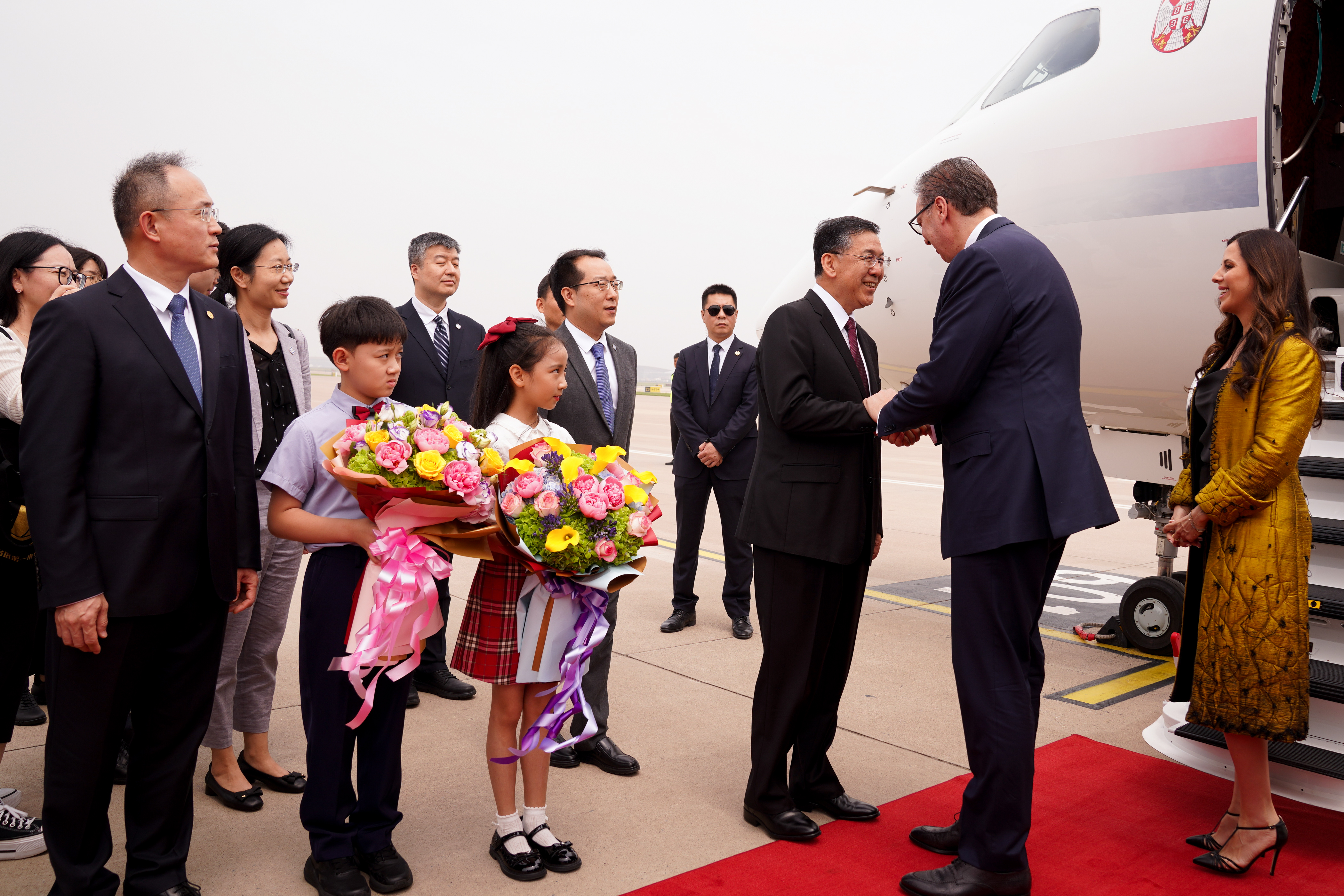
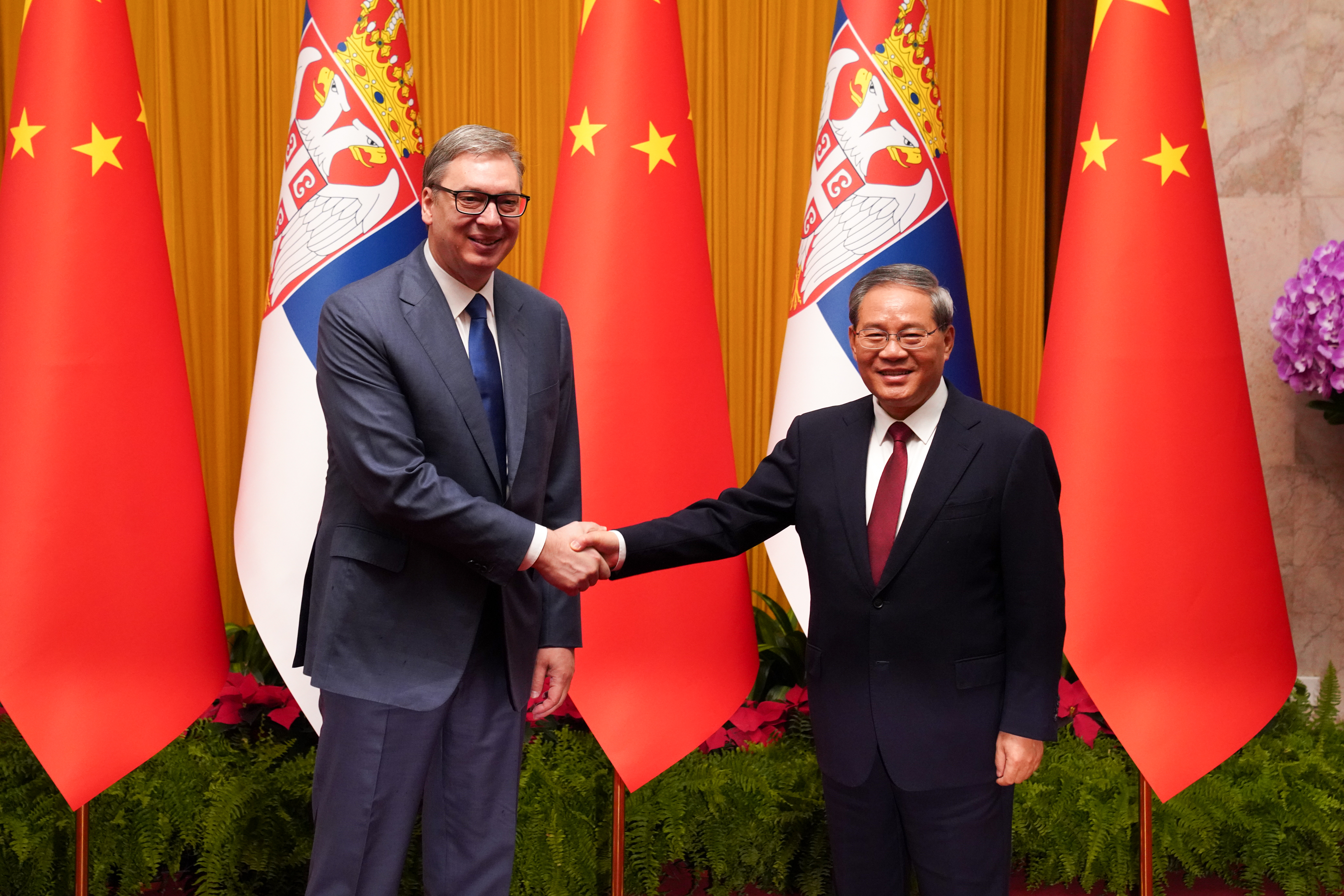
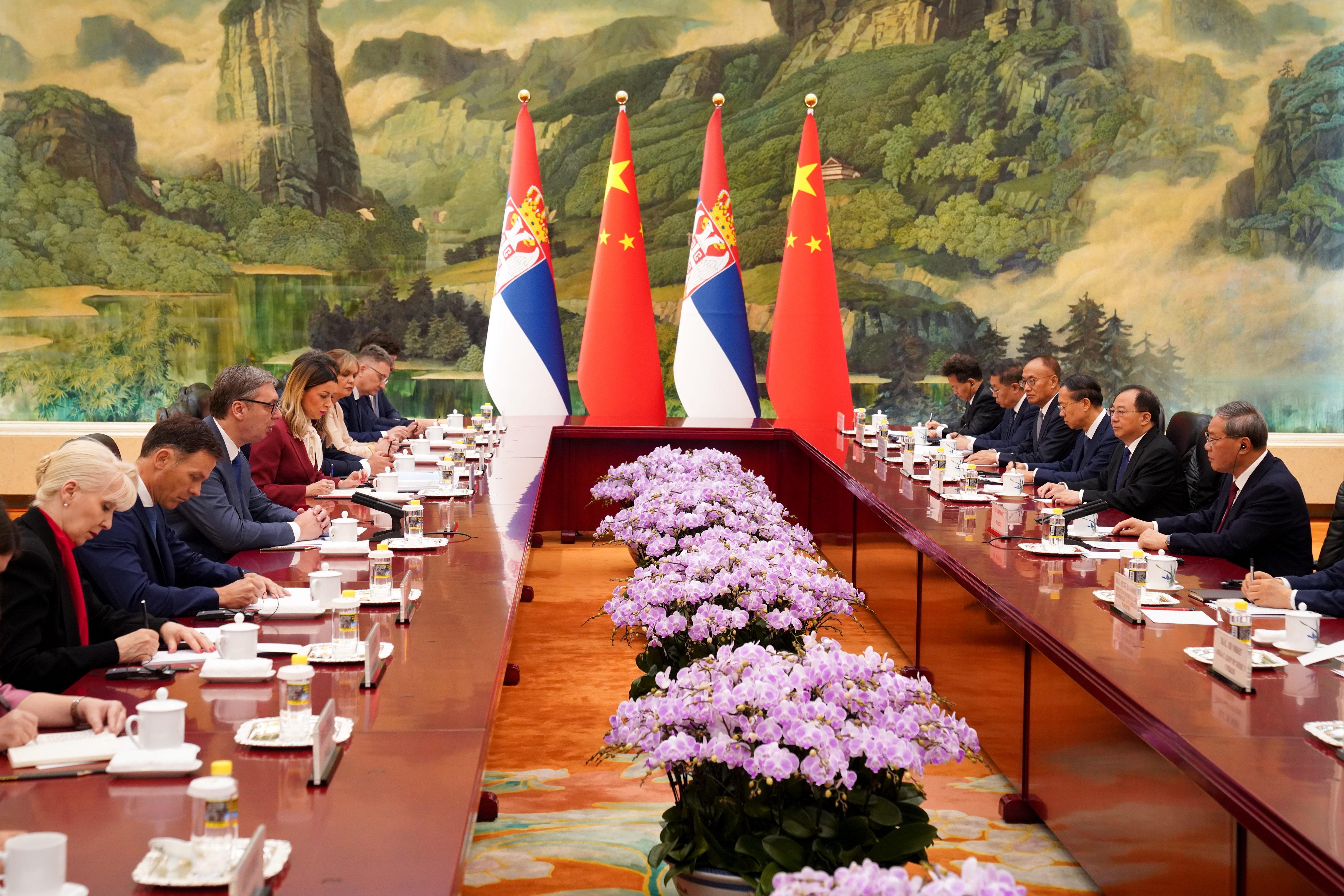
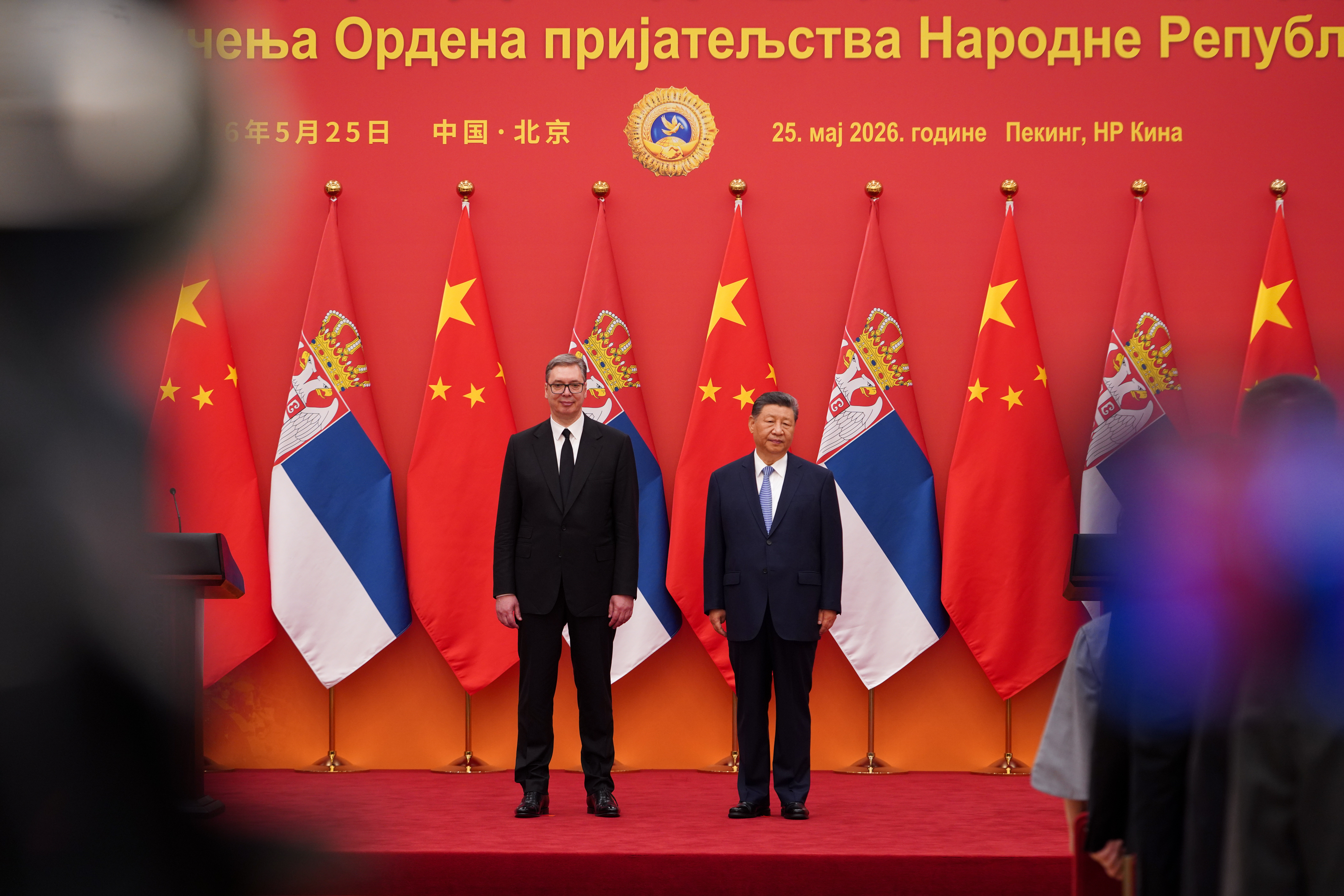
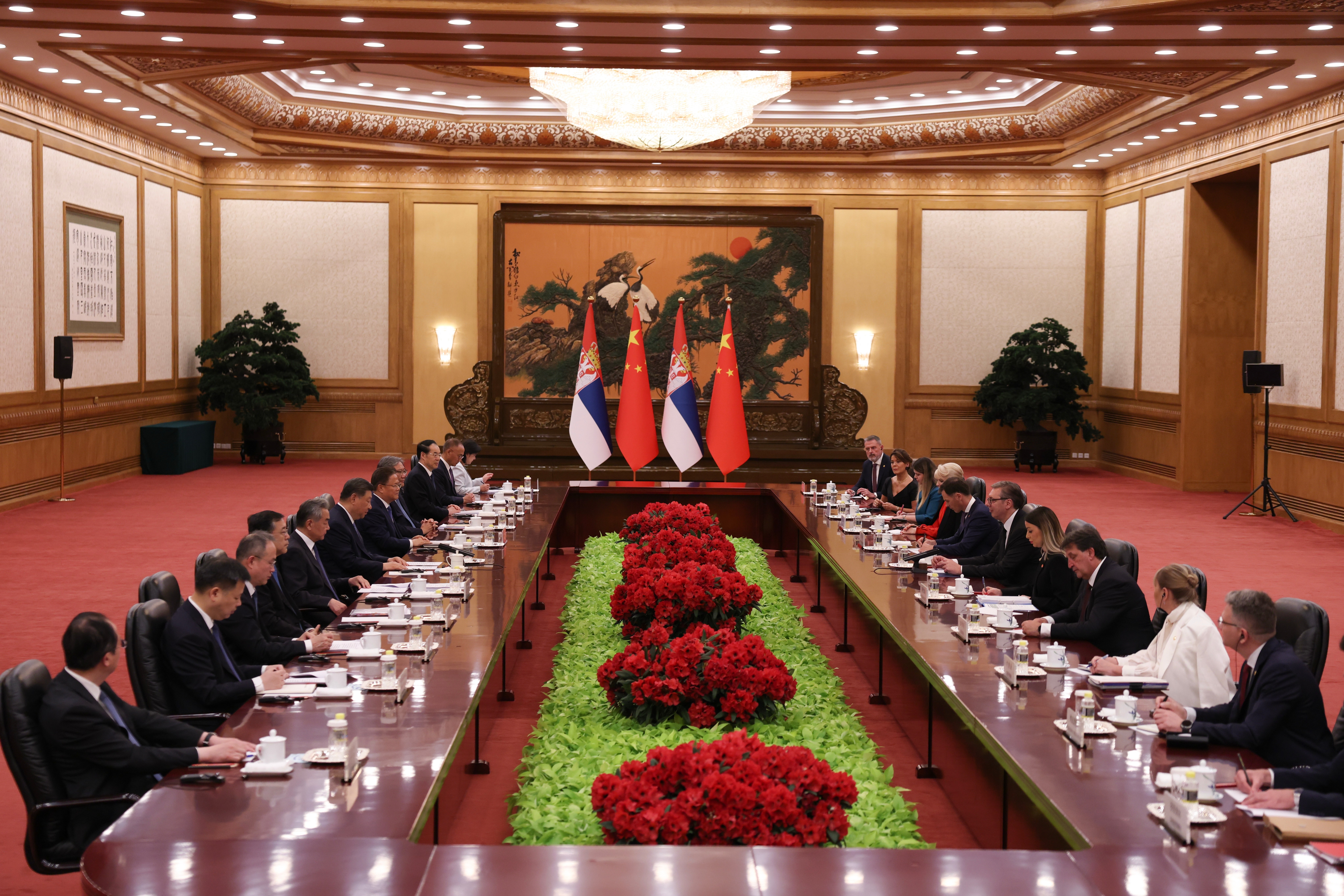
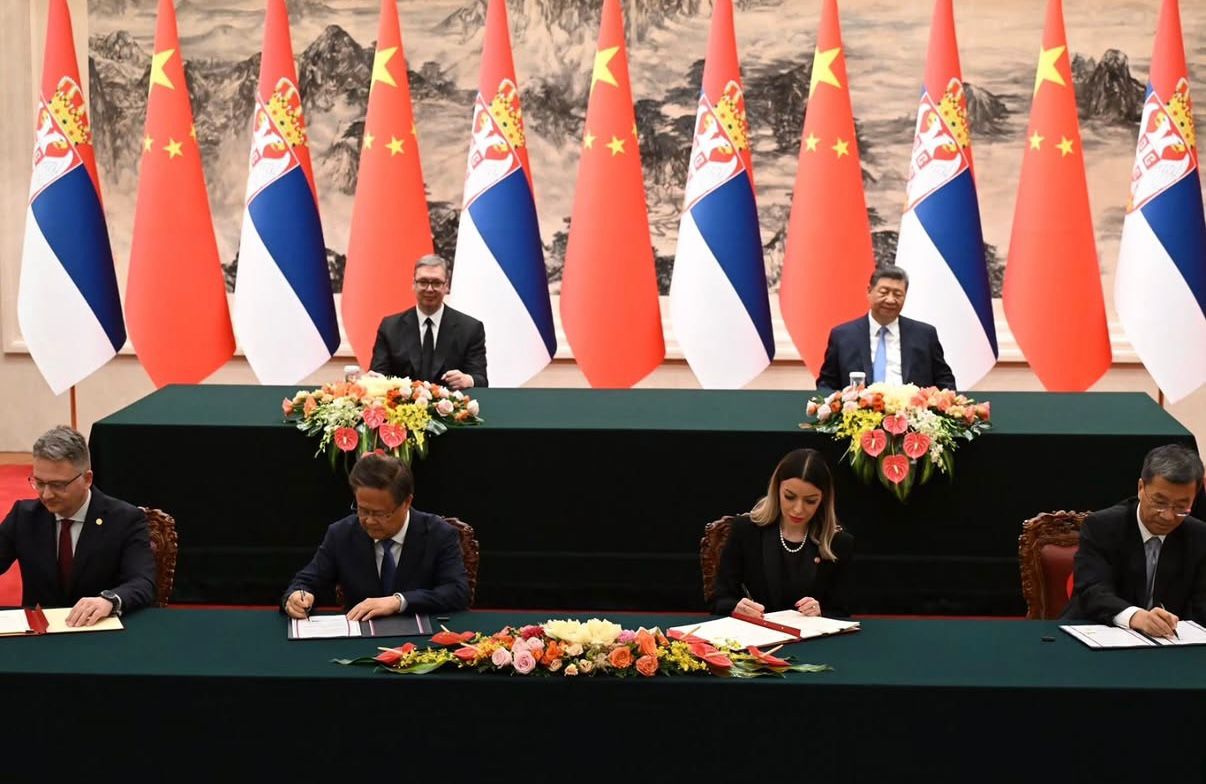
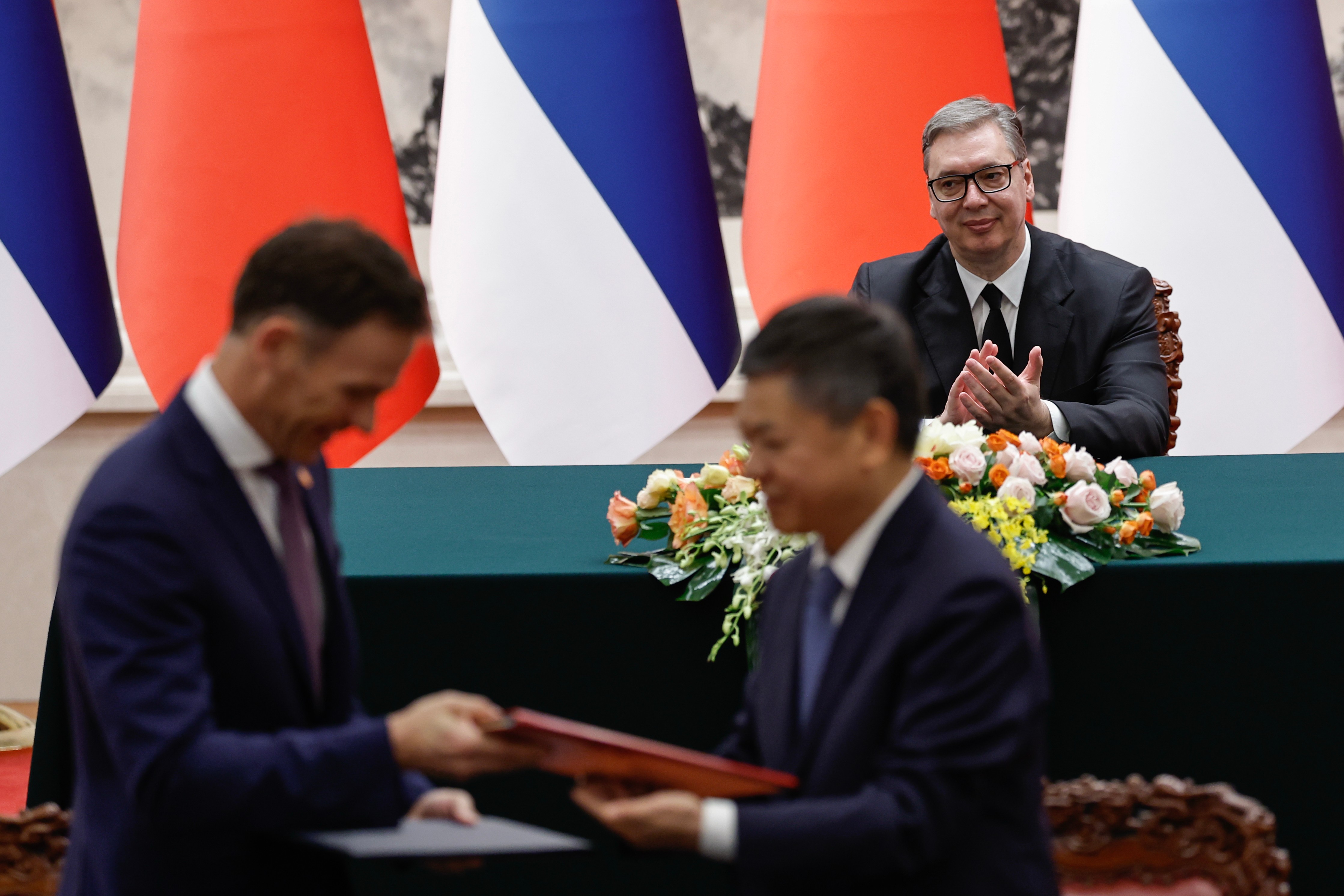
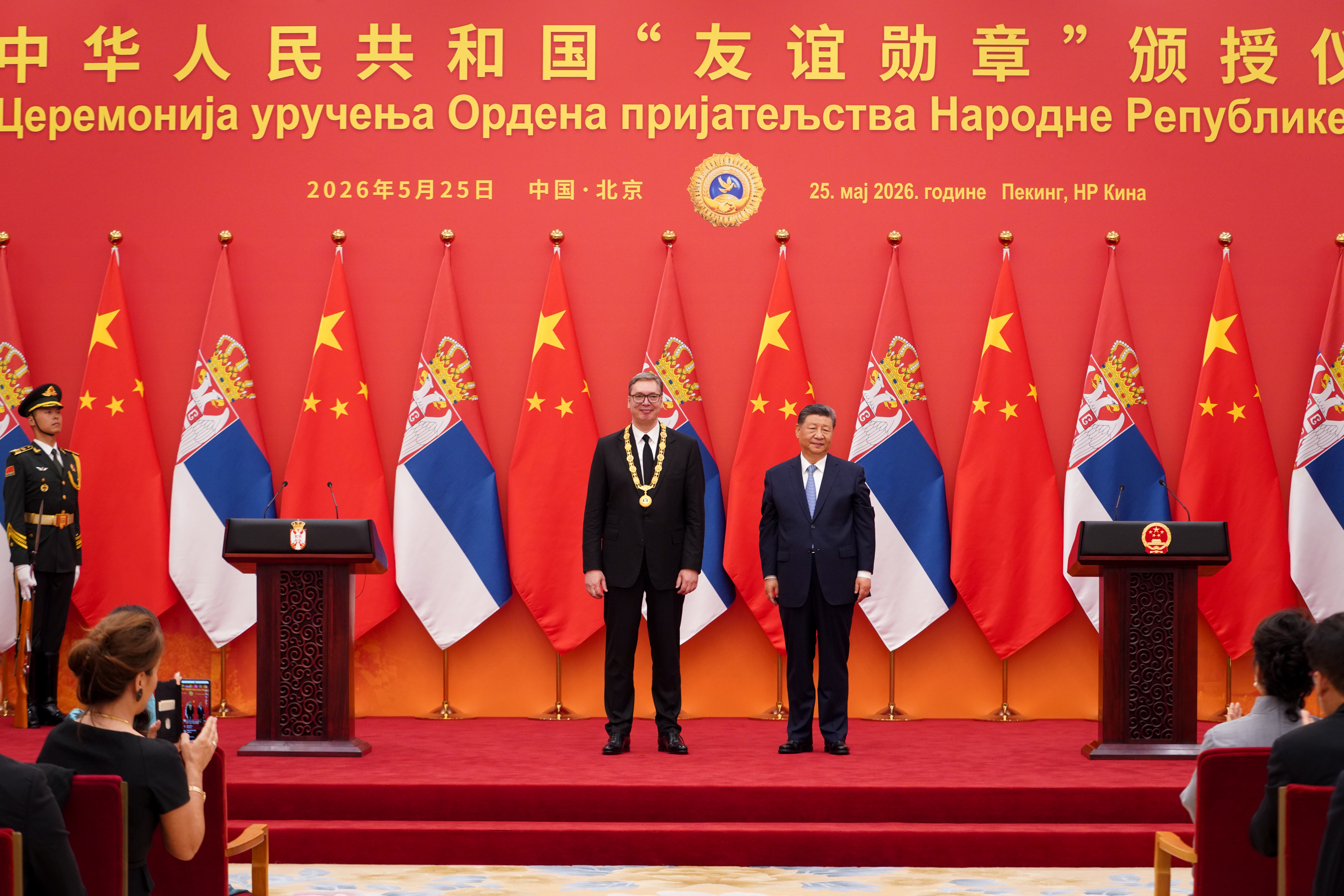
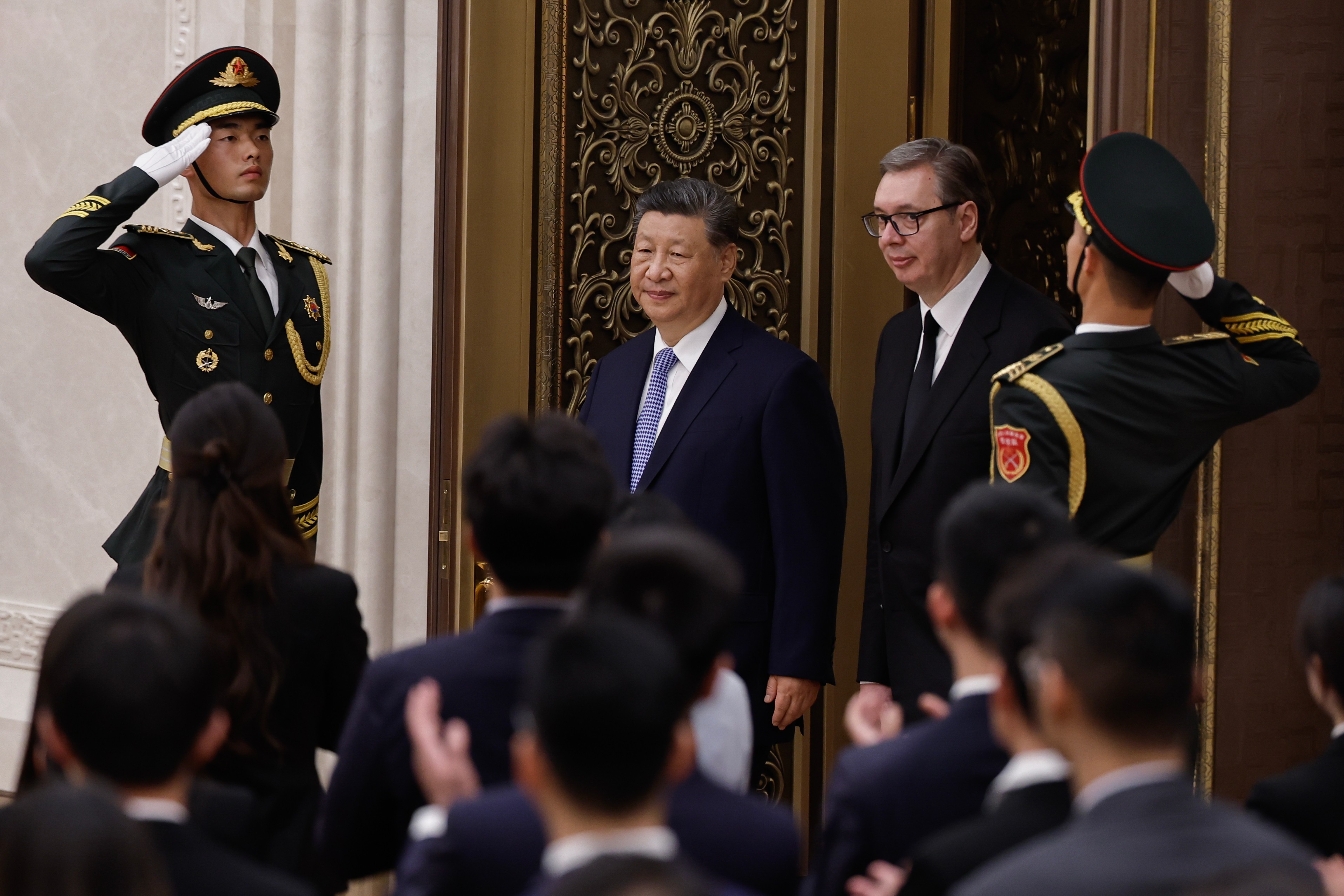
Photo: TANJUG / Jadranka Ilić / Julija Bakić / Dimitrije Goll
Future Technologies at the Center of Cooperation
The key directions of future investments include the development of artificial intelligence, the digital economy, robotics, electric vehicles, and green energy. Particular emphasis was placed on the possibility of Serbia becoming a regional hub for the manufacturing and technological supply chains of Chinese companies expanding their presence in the European market.
During visits to Chinese technology and industrial centers, including Xiaomi and Minth Group, discussions were held on potential projects related to smart manufacturing, components for electric vehicles, and digital industrial solutions.
New Investment Projects and Industrial Expansion
According to announcements made during the visit, future projects will include the expansion of production capacities of Chinese companies in Serbia, the opening of new factories, and the development of innovation centers. Priorities also include next-generation automotive industry projects, as well as potential investments in robotics.
Special attention was given to the energy sector, where new investments are expected in renewable energy sources and the modernization of existing capacities.
In the presence of Serbian President Aleksandar Vučić, Deputy Prime Minister and Minister of Economy Adrijana Mesarović signed new commercial agreements with leading Chinese companies in China, worth more than 953 million euros. These investments are expected to create almost 1,700 new jobs and further strengthen Serbia's position as an important industrial and technological center in the region.
The new investment cycle will include projects in the automotive industry, auto parts production, advanced technologies and modern production facilities, and investments will be implemented in Loznica, Šabac, Niš, Novi Sad, Vranje and Zrenjanin. Agreements were signed with the companies Minth Group, SHAC, BMTS Technology and Xingyu Automotive, while additional investments were also announced by Linglong Tire and Yusei.
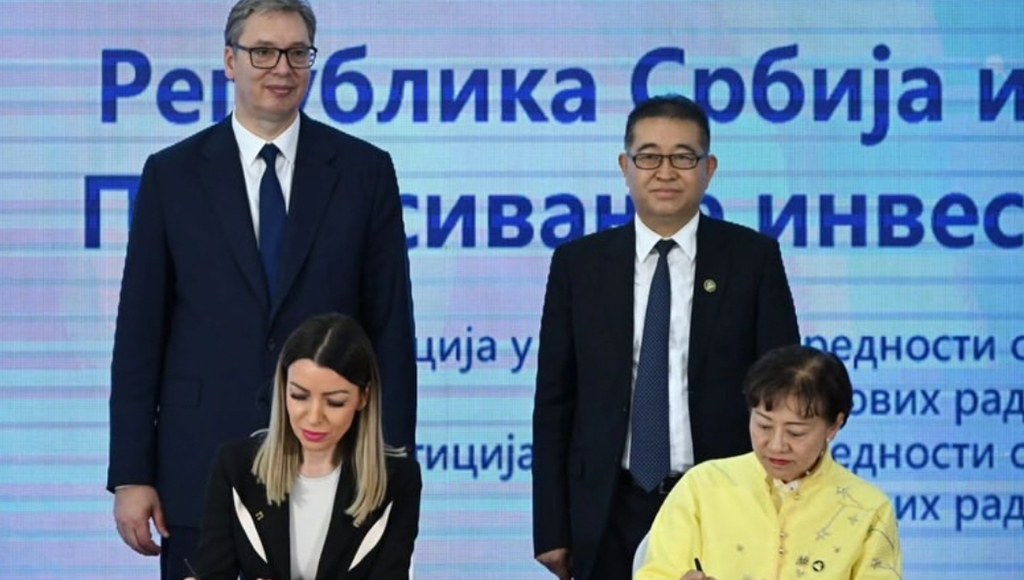
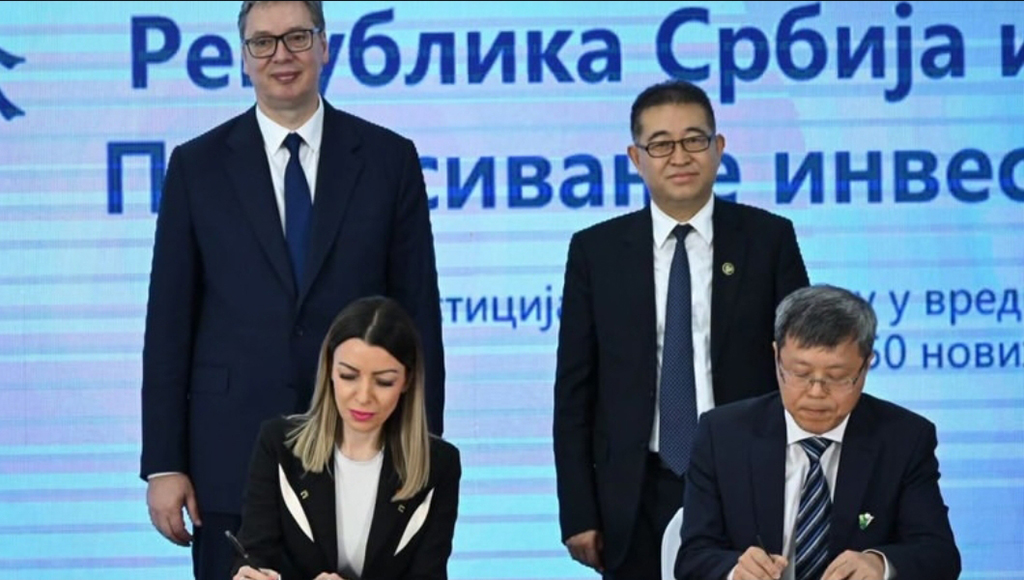
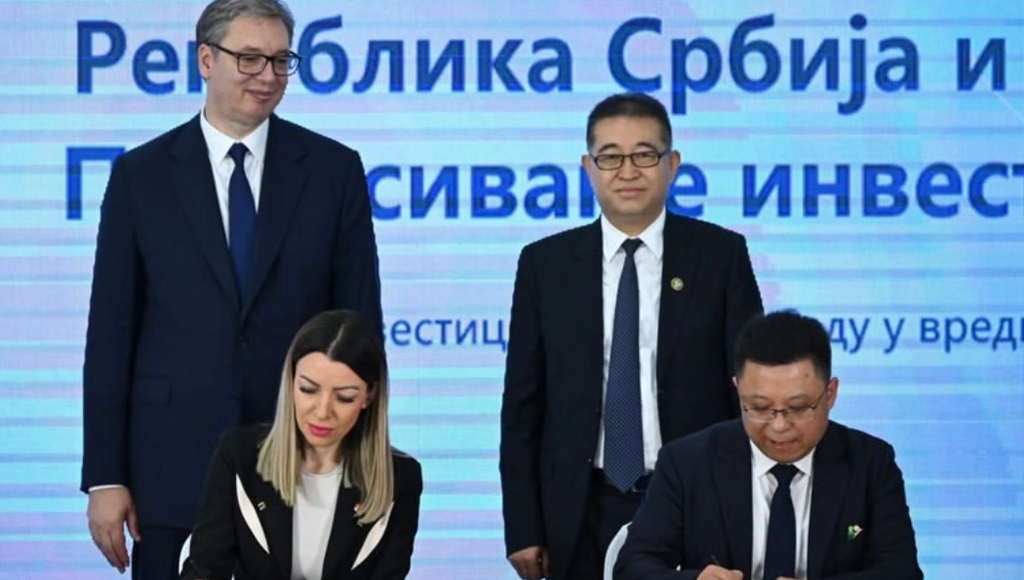
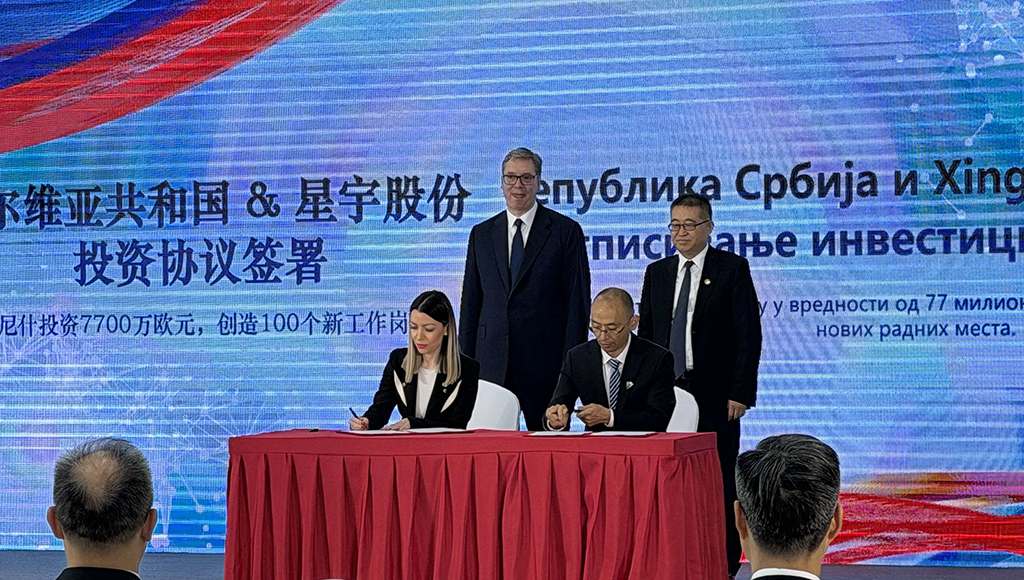
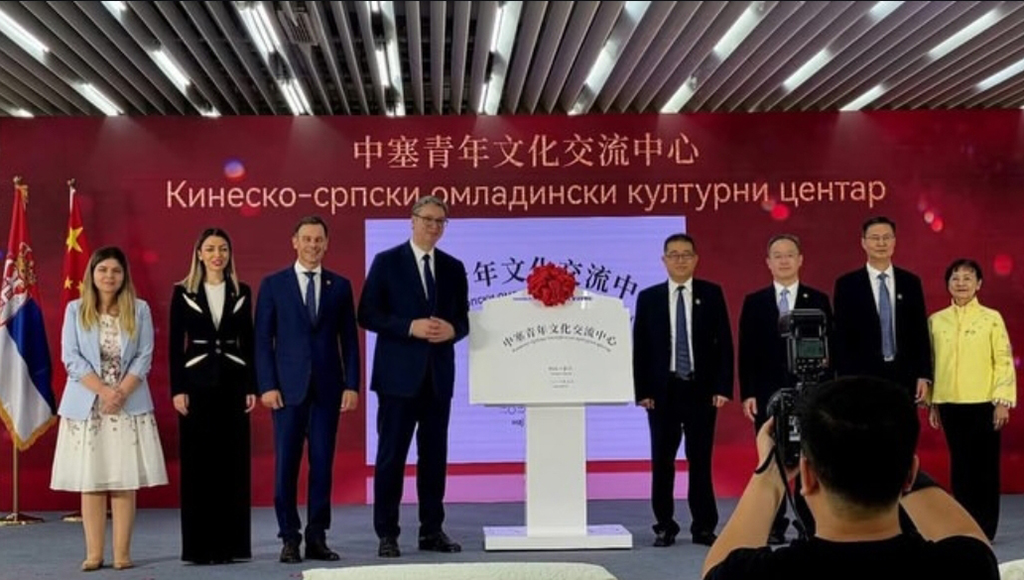
Photo: Ministry of Economy of the Republic of Serbia
Serbia as Part of China’s Broader Development Strategy
One of the key strategic directions of cooperation is the alignment of China’s development plans with Serbia’s national strategy “Serbia 2030,” which is expected to enable long-term coordination of investments and development projects.
Serbia’s importance is particularly reflected in its potential role as a regional center for Chinese investments in industry, logistics, and technological development.
Next Phase: Implementation
Although numerous agreements were signed during the visit, the primary focus now shifts to implementation and concrete investment projects that are expected to bring new factories, jobs, and technology transfer in the coming years.
With approximately one billion euros in newly agreed investments and a plan for further expansion of cooperation, Serbia and China are entering a phase in which their partnership is increasingly defined by future industries and joint development projects, rather than infrastructure projects alone.
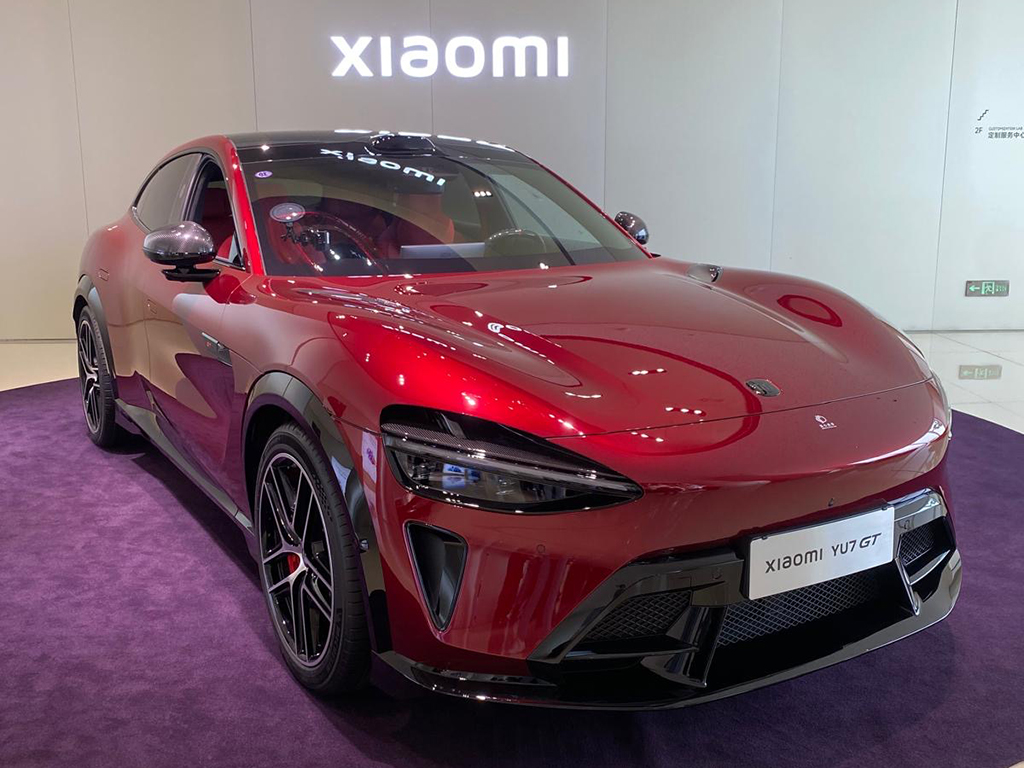
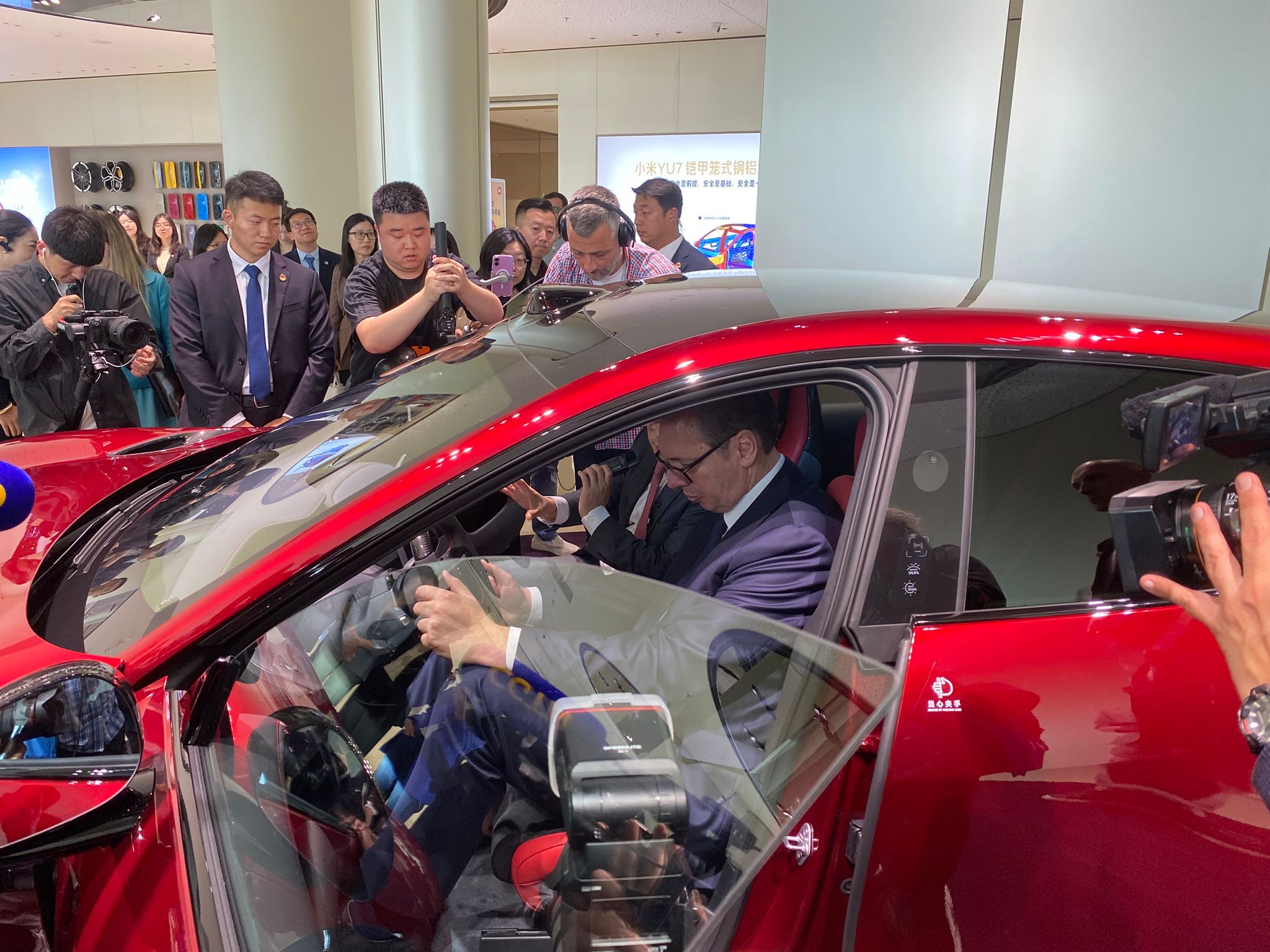
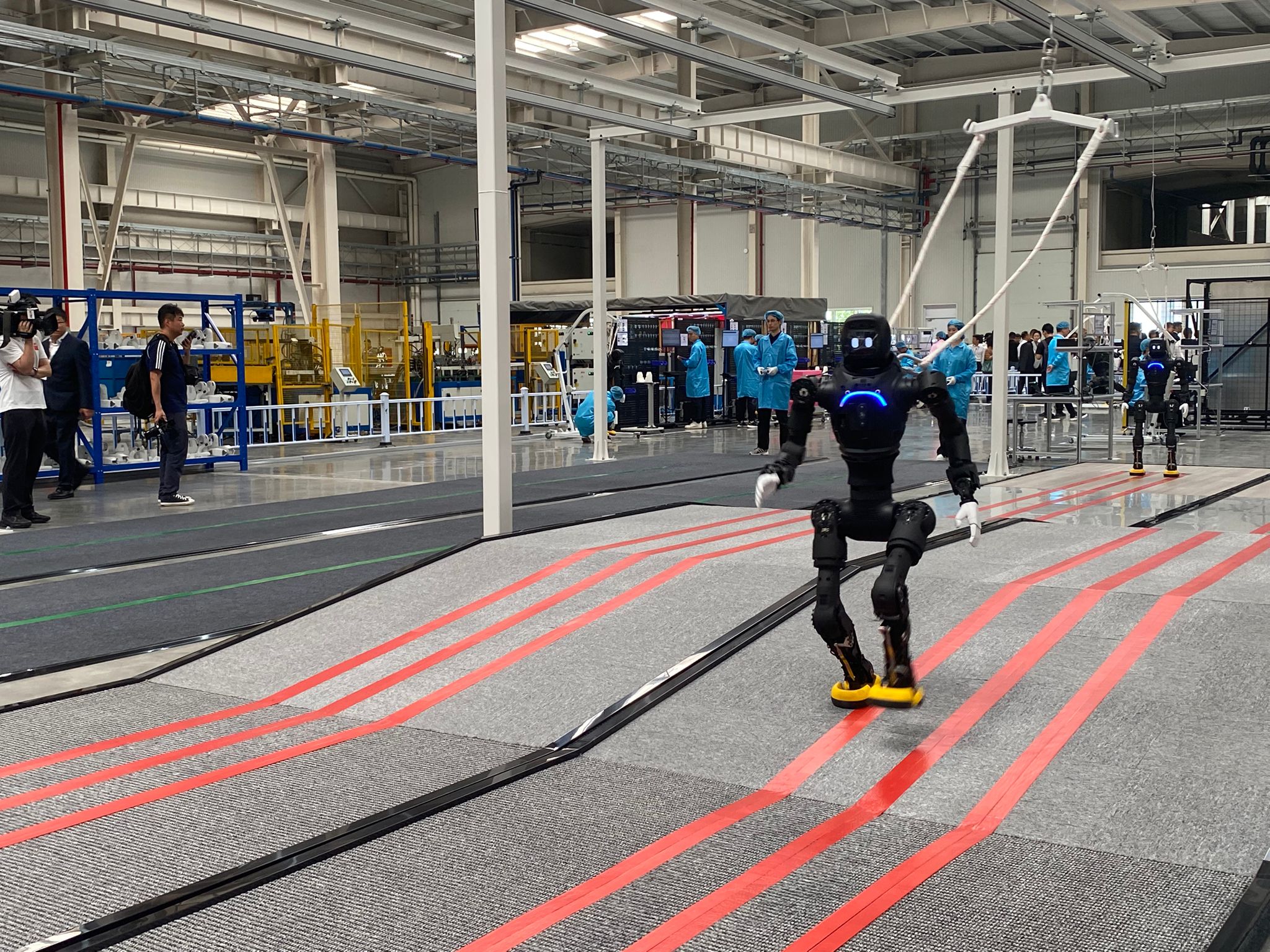
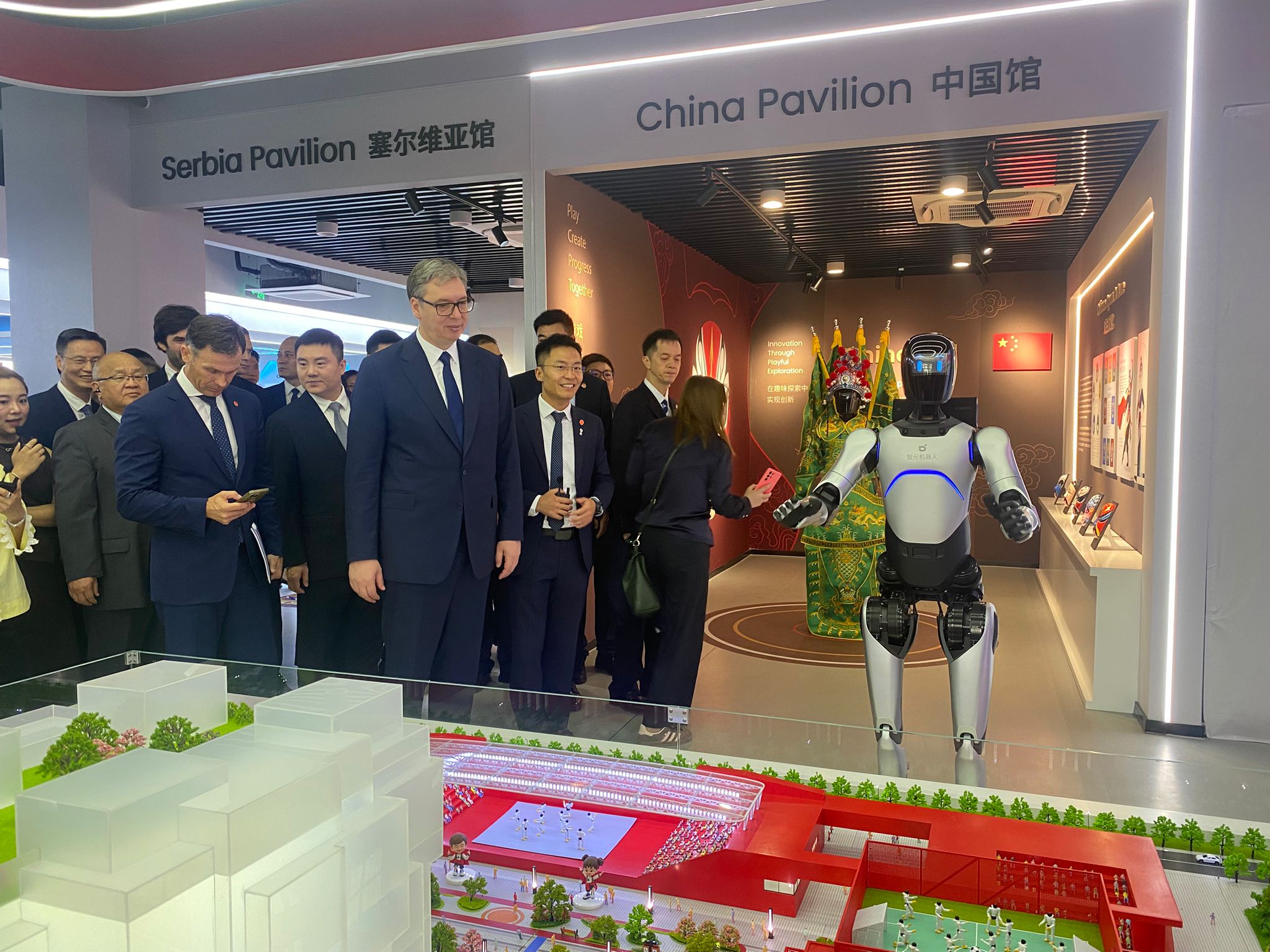
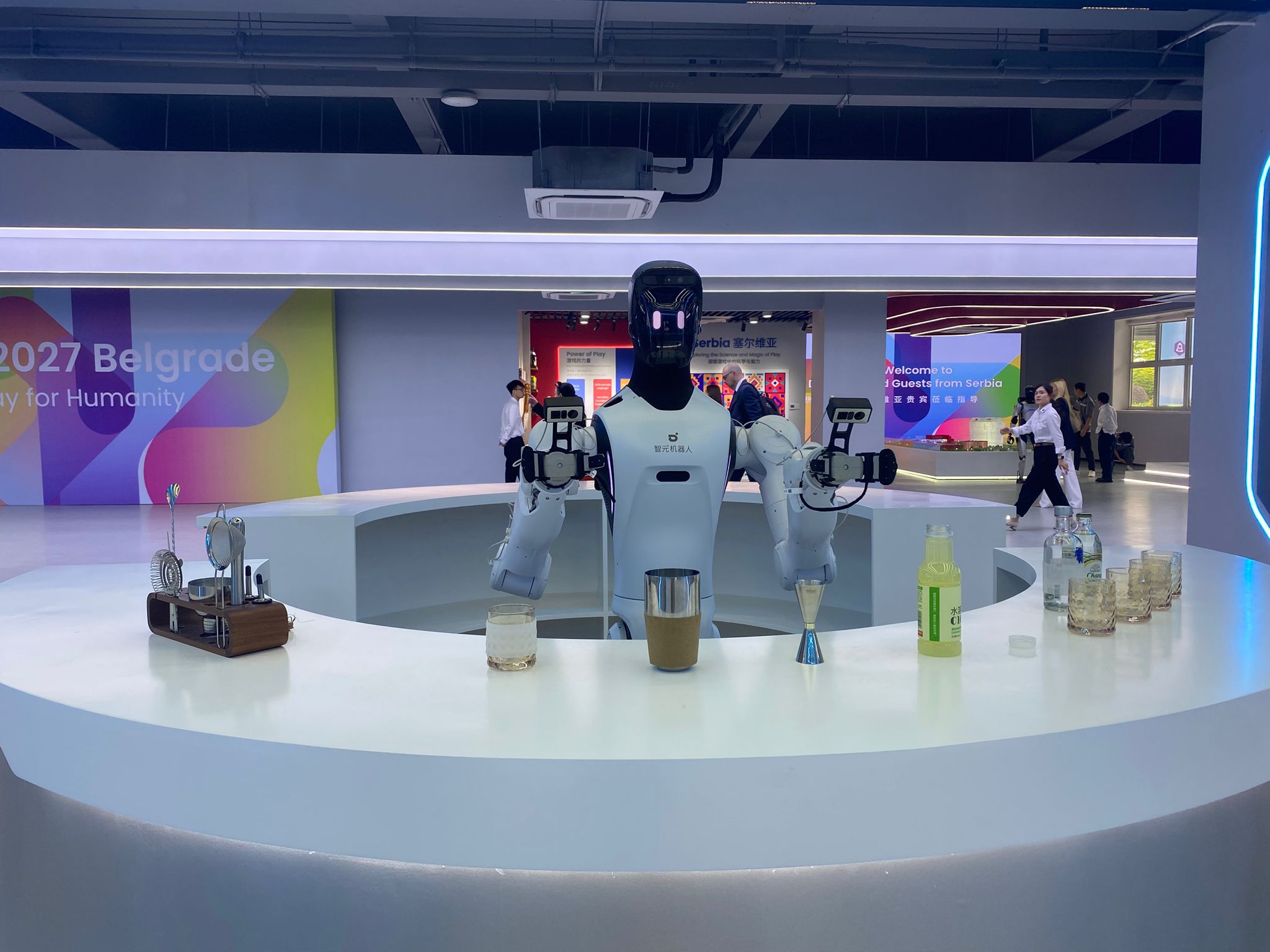
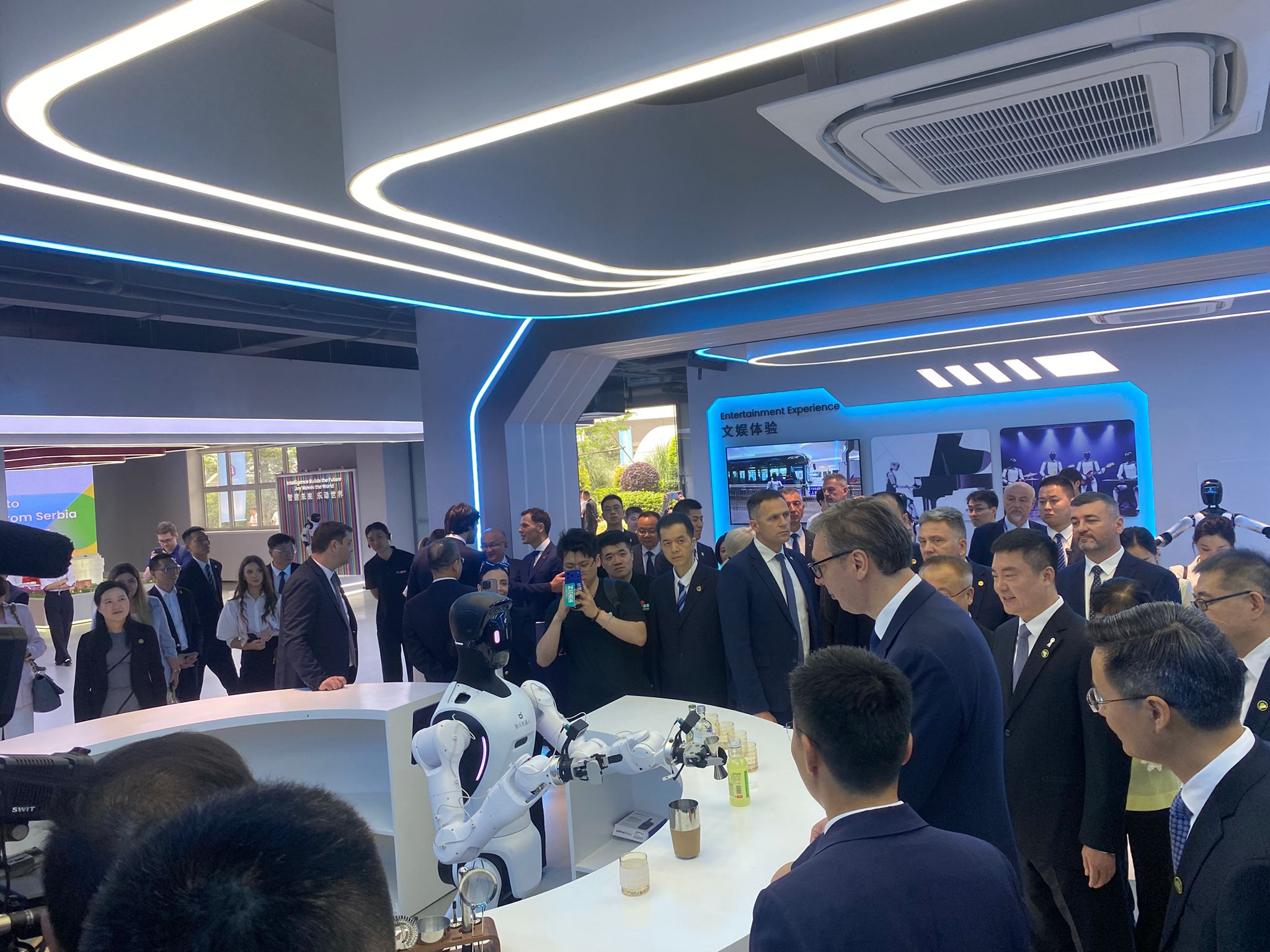
Photo: TANJUG / Jadranka Ilić / Julija Bakić / Dimitrije Goll

 +381113398500
  office@ras.gov.rs


