
The cooperation focuses on analysing the existing regulatory framework, exchanging experience and preparing recommendations to support the development of more sustainable, efficient and competitive industrial zones, drawing on experience from four pilot locations in Serbia.
BELGRADE, 14 October 2026. – The Development Agency of Serbia (RAS) and the International Finance Corporation (IFC), a member of the World Bank Group, are continuing their cooperation on activities aimed at assessing the conditions and opportunities for developing eco-industrial parks in Serbia. The topic was discussed by Stefan Dragutinović of IFC and Nikola Janković of RAS as part of joint activities focused on exchanging experience, analysing existing solutions and identifying opportunities to promote sustainable industrial development and attract investment.
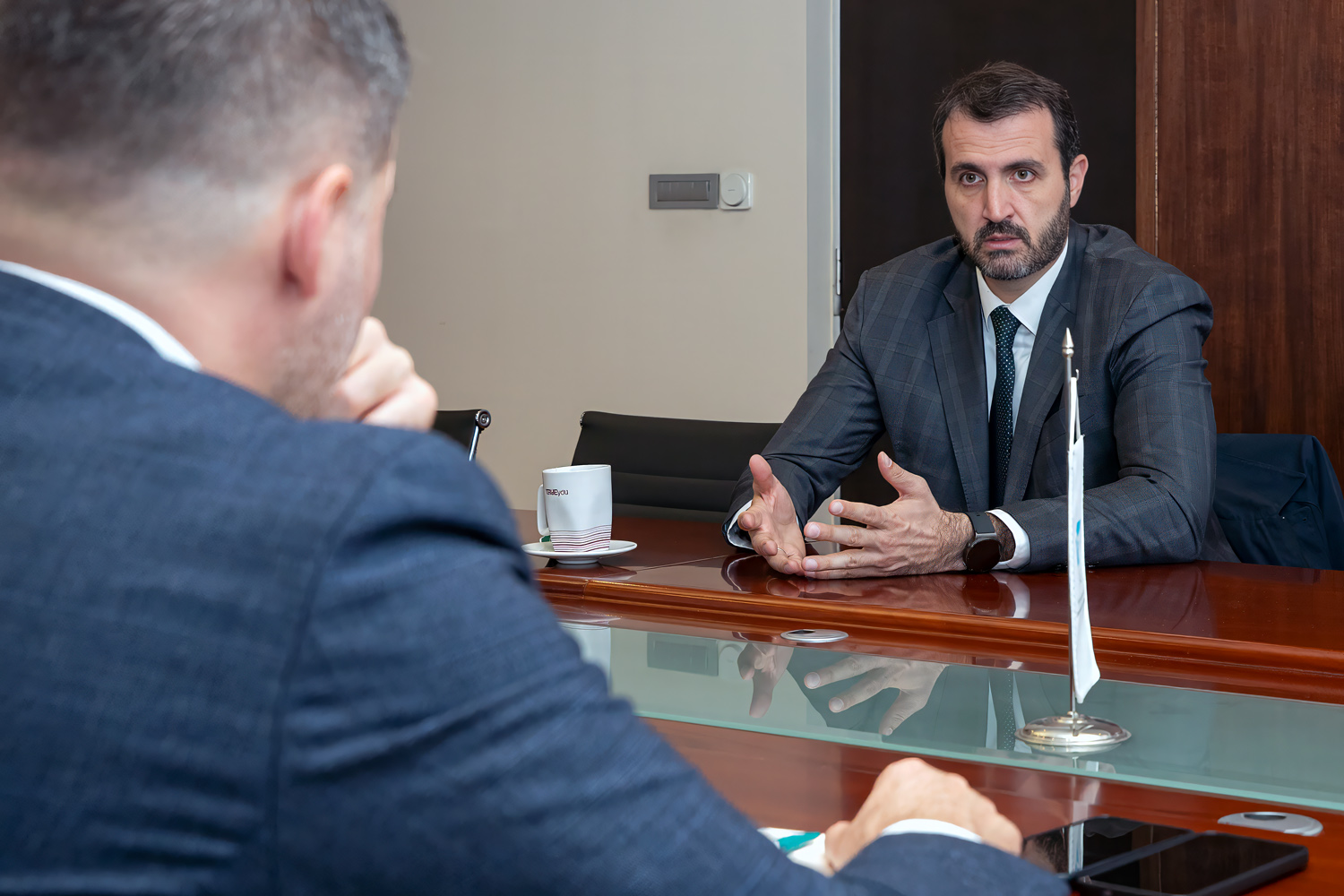
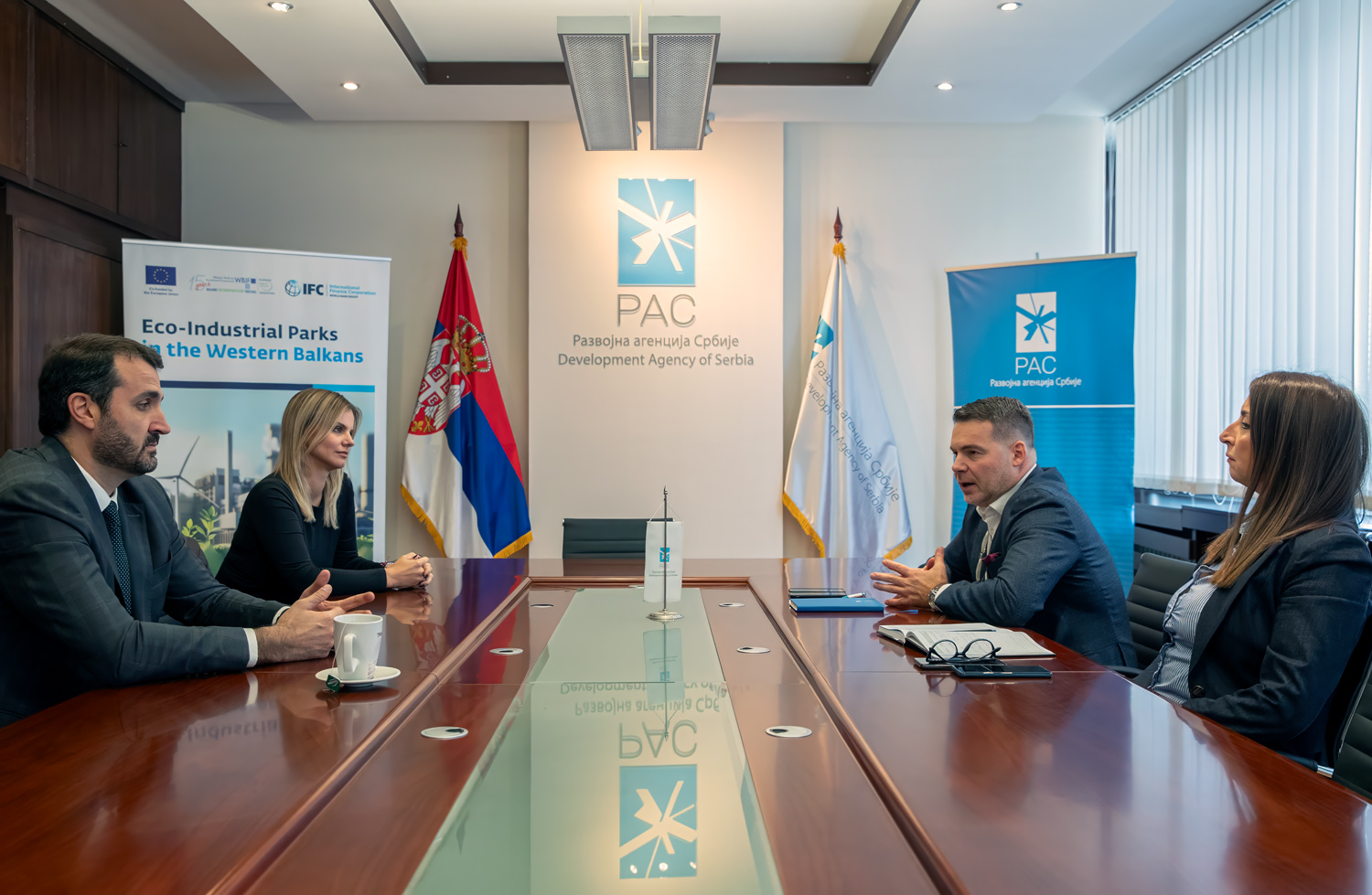
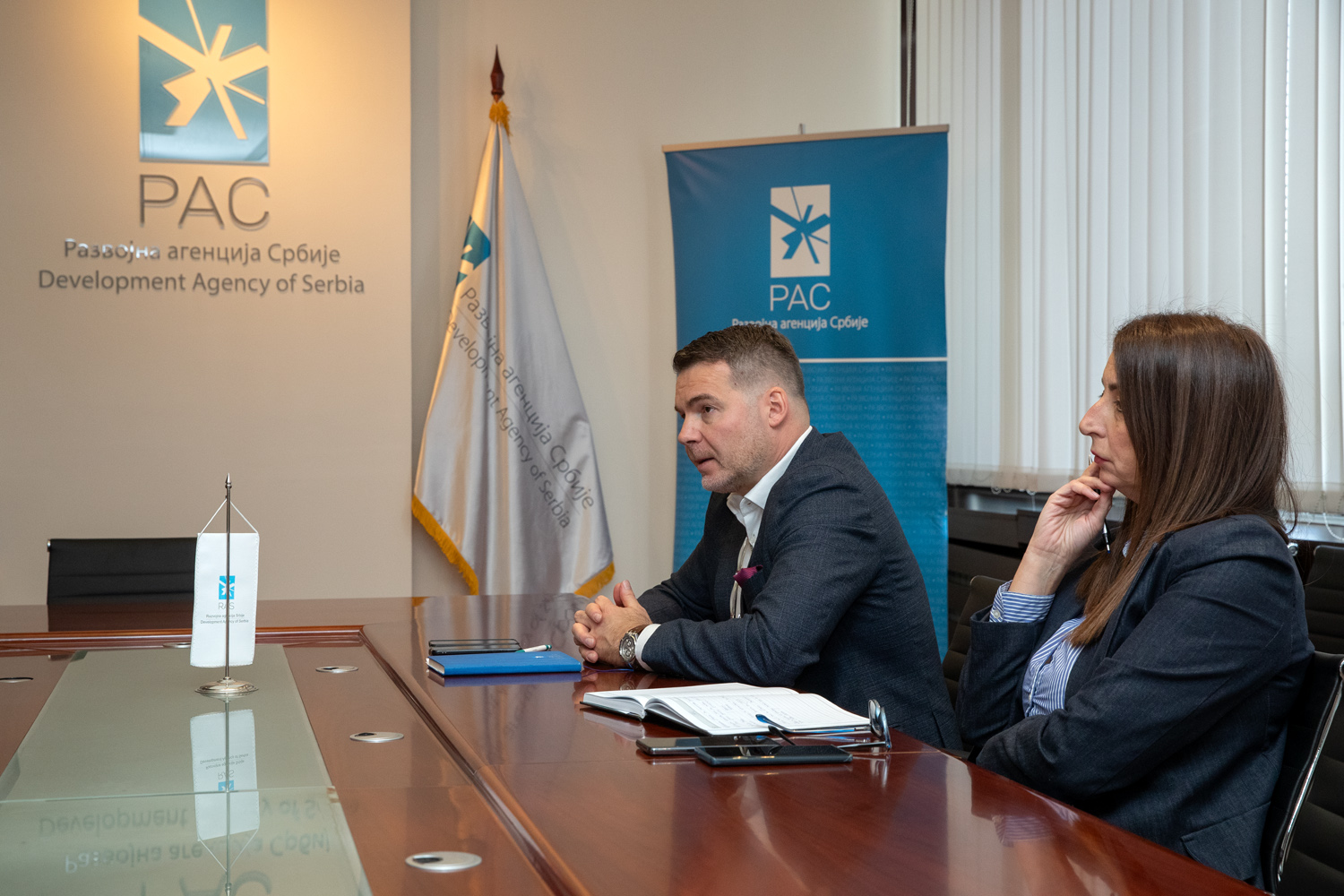
The cooperation builds on a regional initiative to develop eco-industrial parks in the Western Balkans, which IFC has been implementing since 2023 in partnership with the European Union through the Western Balkans Investment Framework (WBIF). In Serbia, activities are already underway at four pilot locations - in Šabac, Kragujevac, Vranje and Novi Sad.
As part of their cooperation, RAS and IFC are reviewing the existing regulatory framework and the conditions for the development and management of eco-industrial parks, with the aim of assessing potential barriers and identifying opportunities to overcome them. The activities include analysis, experience-sharing and the preparation of recommendations that can serve as a technical basis for the competent institutions to further consider potential solutions.
Eco-industrial parks represent a model of industrial development in which companies located in the same area cooperate in the use of energy, water and materials, develop shared infrastructure and services, and improve waste management. This approach can help reduce operating costs and environmental impacts, increase resource efficiency and enhance companies’ competitiveness.
This approach is becoming increasingly important in light of stricter environmental standards and requirements in international supply chains, particularly in the European Union market. The development of sustainable industrial infrastructure can help companies become better prepared to operate in these markets, while also making Serbia more attractive to investors who increasingly take environmental, social and governance (ESG) standards into account.
Experience from the four pilot locations will provide a basis for analysing specific challenges, needs and opportunities for the further development of eco-industrial parks in Serbia. The different characteristics of these locations make it possible to assess the needs of both new industrial zones and existing complexes undergoing modernisation.
The development of eco-industrial parks is part of broader efforts to promote industrial decarbonisation and sustainable economic development, in line with the objectives of the European Green Deal, the Green Agenda for the Western Balkans, and the Economic and Investment Plan for the Western Balkans for the period 2021-2027.

 +381113398510
 office@ras.gov.rs


